Key Takeaways:
- Cannabinoid Pathways: THCA is non-psychoactive until heated, while Delta 9 is the active form responsible for traditional cannabis effects.
- Product Functionality: The way a product is consumed determines whether THCA stays inactive or converts to Delta 9 in the body.
- User Experience: Understanding both compounds allows users to choose between non-intoxicating options or more immediate, euphoric effects.
Cannabis isn’t just about strains or flavors. It’s about understanding the compounds inside the plant and how they shape the experience. As interest in cannabinoids grows, more people are asking what separates THCA from Delta 9. These two compounds might look similar on a label, but they behave very differently in the body. Knowing how each one works gives you the power to choose exactly how you want to feel.
We build our products on precision. That means clean formulations, consistent effects, and bold flavor profiles that don’t cut corners. Every product we release is tested, dialed in, and designed to give you control over your experience without the guesswork. We’re not following the industry. We’re building what it should be.
Understanding the difference between THCA and Delta 9 isn’t just about science or labels. It’s about how your body reacts, how you prefer to feel, and what fits your lifestyle. One user might want a clear-headed focus with no high. Another might want something stronger to slow down and reset. Both options start with knowing the cannabinoid behind the product.
Understanding Cannabinoids: THCA vs Delta 9
Not all cannabis experiences come from the same source. THCA and Delta 9 THC are two cannabinoids often mentioned together, but they create very different effects depending on how they interact with heat, your body, and the product you’re using.
THCA is the acidic form of THC found in raw cannabis. It exists in the plant naturally but doesn’t cause a high in its raw state. Delta 9, on the other hand, is psychoactive. It becomes active after decarboxylation, a heating process that transforms THCA into the form most people associate with a traditional cannabis experience.
At Dozo, we work with both cannabinoids to give our community access to tailored effects. Whether you're exploring something calm and clear or something more immediate and intense, understanding the distinction between THCA and Delta 9 helps you choose with confidence.
This foundation makes it easier to navigate the cannabis space and understand how different products are built to highlight specific effects.
The Basics: What is THCA and What is Delta 9?
To understand how THCA and Delta 9 work, it helps to start with where they come from. Both begin inside the same plant, but they don’t deliver the same results. Knowing how they differ can guide how you choose your product, especially if you're looking for a specific kind of experience.
THCA Defined
THCA, or tetrahydrocannabinolic acid, is the raw, non-psychoactive form of THC. It’s found in fresh cannabis and hasn’t yet been activated by heat. In this natural state, THCA doesn’t bind to the brain’s cannabinoid receptors, so it won’t produce the high that Delta 9 does.
It’s often chosen for its reported anti-inflammatory and neuroprotective potential. While more research is needed, many users explore THCA for its functional effects without any intoxication. It only becomes Delta 9 when heat is applied, through vaping, cooking, or combustion.
Delta 9 Explained
Delta 9 THC is the active form most people associate with cannabis. It’s created when THCA is heated, unlocking its psychoactive properties. Delta 9 binds to CB1 receptors in the brain and nervous system, producing familiar effects like euphoria, relaxation, or increased sensory perception.
Because of this activation, Delta 9 is the foundation of most traditional cannabis experiences. It plays a major role in how edibles, vapes, and smoked products feel after consumption.
A great example of how cannabinoids are used in real-world formats is our X11 Gummies, crafted for consistency and taste. Whether you’re new to cannabis or exploring new blends, this edible line offers a smooth and approachable option for beginners and experienced users alike.
Key Differences Between THCA and Delta 9
Though they share a root molecule, THCA and Delta 9 differ significantly in how they affect the body and how they’re used. From activation to legality, the contrast between the two cannabinoids can help guide your next product choice.
Psychoactivity and Effects
Delta 9 THC is known for its psychoactive properties. Once it enters the body, it interacts with the CB1 receptors in the brain, which influences mood, memory, appetite, and perception. This is the type of THC most people associate with feeling high.
THCA, on the other hand, is not intoxicating in its raw form. It does not interact with cannabinoid receptors in the same way. For those looking to avoid mind-altering effects but still want to explore cannabis’s wellness potential, THCA can offer a clear-headed option.
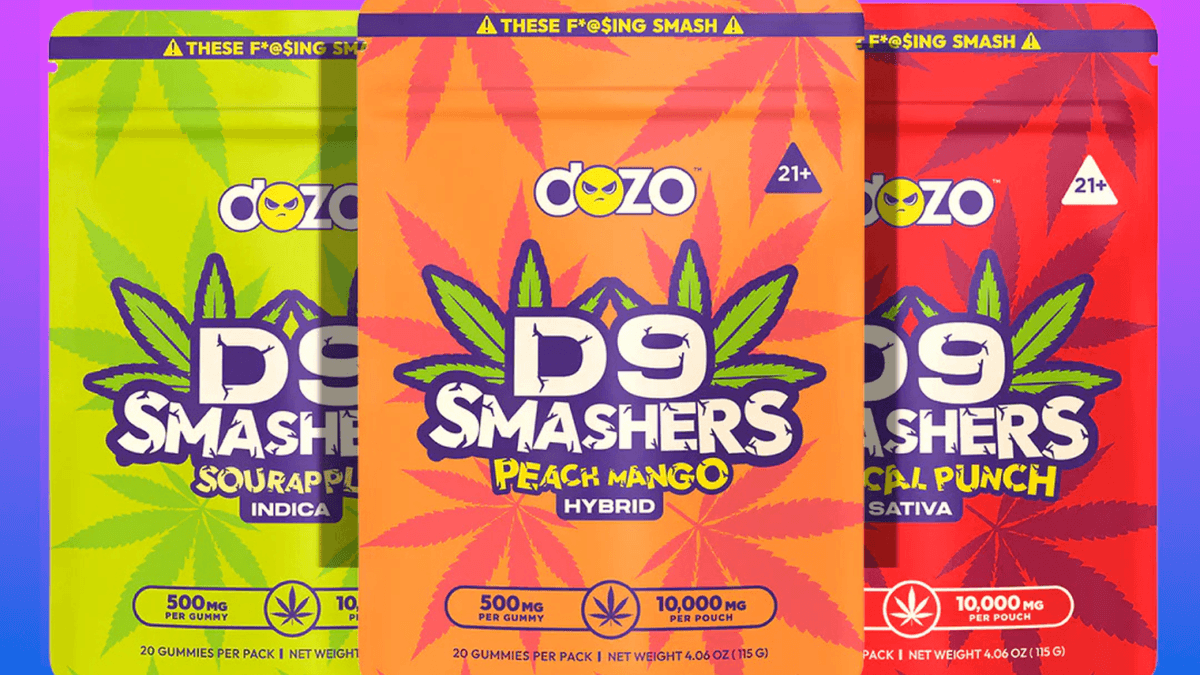
For users who want to explore the activated experience, our D9 Smashers THC-A Disposable combines potency with convenience. It delivers the benefits of decarbed THCA in a fast-acting format.
Chemical Structure and Activation
The chemical difference between THCA and Delta 9 THC lies in a carboxylic acid group. THCA includes this group, making it non-psychoactive. When heated, the molecule sheds that acid group in a process called decarboxylation. This turns THCA into Delta 9 THC.
This transformation happens when smoking, vaping, or baking. So while raw flower or cold-pressed extracts may contain only THCA, those same products become psychoactive once heat is applied.
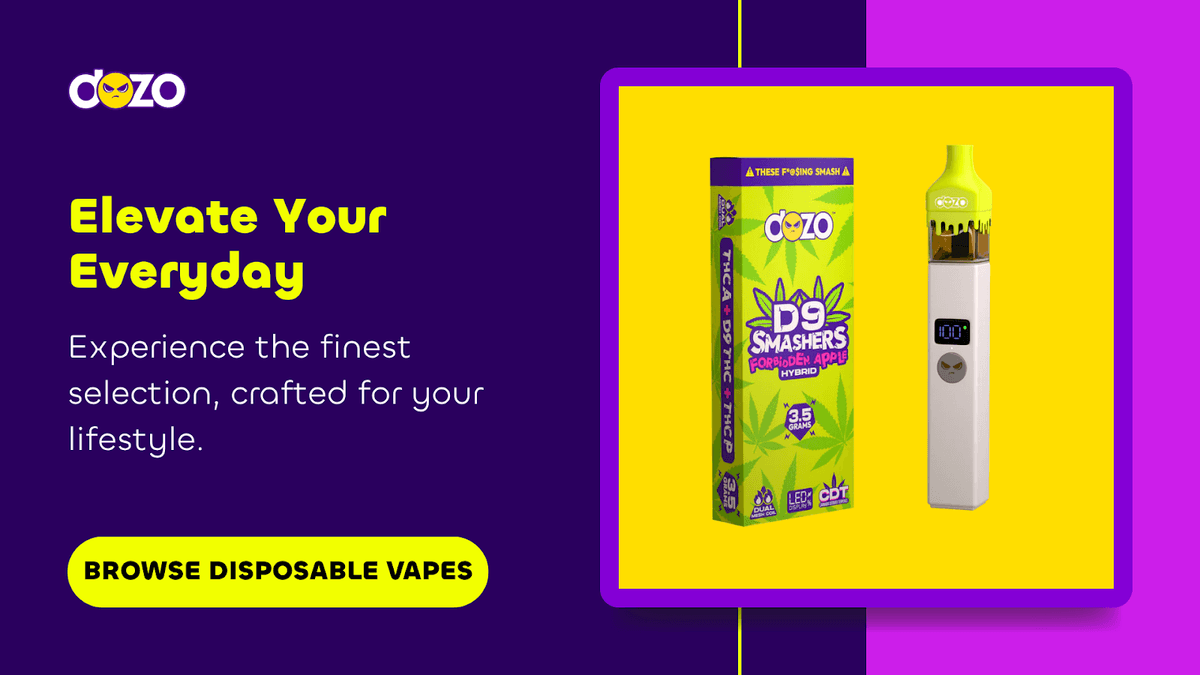
Flavored options like Forbidden Apple Hybrid offer a smooth transition into activated effects, paired with fruity undertones.
Legal Status and Accessibility
THCA and Delta 9 also differ in how they’re regulated. While Delta 9 is often restricted under federal law if it exceeds 0.3 percent by dry weight, THCA may remain legally compliant in raw form. However, because THCA converts into Delta 9 when heated, some jurisdictions treat it the same way.
That means understanding your local laws is important before purchasing or using THCA products intended for activation.
For a balanced Sativa option that combines legal accessibility with effective delivery, Mango Mash Sativa gives users a consistent, uplifting experience.
How THCA and Delta 9 Work in the Body
Cannabinoids don’t just float around aimlessly once consumed. Each one has a specific path through the body, interacting with systems designed to keep things balanced. Understanding how THCA and Delta 9 function internally helps explain the effects they produce.
How THCA Is Metabolized
In its raw form, THCA is not readily absorbed by the body in the same way active THC is. Instead, it moves through the digestive system or lungs without directly binding to CB1 receptors. Because of this, most people don’t feel intoxicated when consuming THCA unless it’s been heated.
That makes THCA ideal for users seeking more grounded effects. When used in non-combustible formats like raw flower or topicals, THCA stays in its natural state and offers subtle support.
For a calming experience built around steady, clear effects, Weedy Melon Indica is one option designed with mellow evenings in mind.
How Delta 9 Interacts with the Endocannabinoid System
Delta 9 binds directly with the body’s endocannabinoid system, especially CB1 receptors in the brain and nervous system. This is what creates the feelings of euphoria, sedation, or stimulation depending on the dosage and strain.
Because Delta 9 is active immediately after decarboxylation, its effects are felt quickly. That’s why it’s used in most traditional vapes and infused products.
A well-balanced example is Hawaiian Punch Hybrid, which offers a middle ground between calming and energizing effects.
Bioavailability and Onset Times
The way you consume a cannabinoid affects how much of it is absorbed and how fast it starts working. Inhalation delivers the fastest onset, typically within minutes. Edibles take longer to activate, sometimes up to an hour, but can produce longer-lasting effects.
The bioavailability of THCA increases after decarboxylation, making it more potent once heated. Delta 9 is already bioavailable in many product formats, so effects can be more predictable for experienced users.
A strong option for deep relaxation is Juicy Fruit Indica, which brings slow-building calm in a smooth, flavorful inhale.
Exploring Dozo’s Cannabinoid Collection
With the differences between THCA and Delta 9 laid out, the next step is finding a product that matches your goals. At Dozo, we build our collection to reflect a full spectrum of cannabinoid experiences, from raw to fully activated. This gives you the flexibility to dial in your ideal balance of clarity, potency, and flavor.
One standout in the collection is Blue Slush Sativa, crafted to deliver a fast-acting and refreshing uplift. It’s a clean entry point for users who enjoy Sativa-forward profiles with vibrant fruit notes and focused effects.
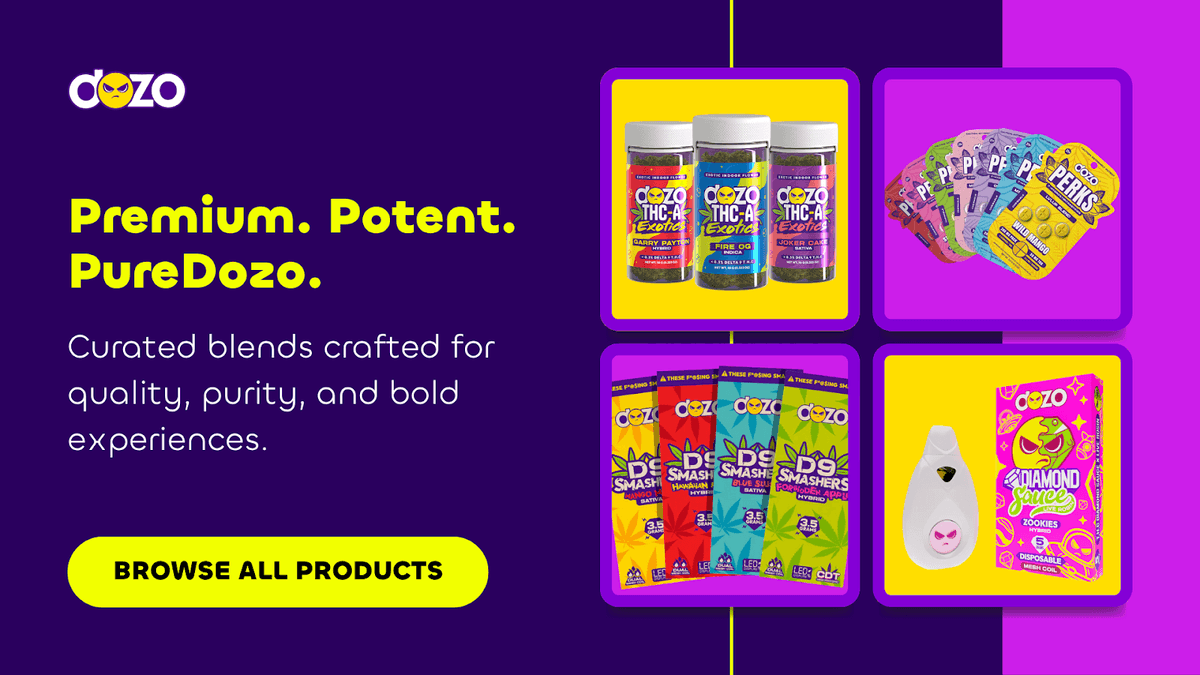
For those more curious about the raw side of cannabis, our Exotics Flower Collection features strains rich in THCA. These flower products offer the benefits of a full-bodied terpene profile while maintaining the compound in its natural, unheated state until you decide how to activate it.
No matter which direction you’re exploring, our lineup is designed to reflect the nuances of each cannabinoid and how it pairs with your lifestyle.
Final Thoughts
THCA and Delta 9 each offer a distinct experience, shaped by how they interact with heat, the body, and your personal goals. Whether you're reaching for calm or intensity, the difference begins at the molecular level and extends to how a product performs in real life.
We design our products to honor those differences. Every strain, gummy, and vape in our collection is crafted to give you control over your experience. That means transparency in formulation and consistency in effect, whether you're working with the raw form of THCA or the fully activated strength of Delta 9.
The best part is having the ability to choose based on what you want to feel, not just what’s trending. With the right information and the right product, you can shape your cannabis experience with clarity and purpose.
Frequently Asked Questions About THCA vs Delta 9
What does THCA stand for, and how is it different from THC?
THCA stands for tetrahydrocannabinolic acid. It is a non-psychoactive cannabinoid that becomes THC through heating, which changes how it interacts with the body.
Can THCA get you high if you eat it raw?
No. THCA in its raw form does not produce a high. It must be heated through vaping, smoking, or cooking for it to convert into psychoactive Delta 9 THC.
Is Delta 9 naturally present in cannabis plants?
Delta 9 is not abundant in raw cannabis. It is formed from THCA when the plant material is exposed to heat during consumption.
How long does THCA stay in your system compared to Delta 9?
Both can show up on drug tests, but Delta 9 may stay detectable longer due to its active metabolites. THCA presence depends on how it was consumed and in what form.
Are there potential benefits of using THCA without activating it?
Yes. Some users seek THCA for its possible anti-inflammatory and neuroprotective properties without experiencing intoxication.
Is Delta 9 legal in all 50 states?
No. While hemp-derived Delta 9 is federally legal under specific limits, state laws vary. It's important to check local regulations before purchasing.
Can you cook with THCA-rich flower?
You can, but the moment you apply heat, the THCA will start converting to Delta 9. This changes both the effects and the legality depending on where you live.
Does THCA have a taste or aroma on its own?
The flavor comes mostly from terpenes in the plant. THCA itself does not have a strong taste or smell, but the flower it’s found in often does.
What’s the difference between THCA isolate and full-spectrum THCA?
THCA isolate is a purified form of the cannabinoid, while full-spectrum THCA includes other compounds like terpenes and minor cannabinoids for a more balanced effect.
Can THCA and Delta 9 be combined in a single product?
Yes. Some products use both to create a tailored experience that offers the clear-headed feel of THCA with the lift of Delta 9 after activation.